Step-by-Step Process of Property Conveyancing in Australia: A Complete Guide
Buying or selling property in Australia can be a complex process. Property conveyancing is the legal mechanism that ensures ownership is transferred safely, accurately, and in compliance with Australian property law. Understanding the step-by-step process of property conveyancing in Australia helps buyers and sellers avoid costly mistakes, delays, and disputes.
This guide provides a detailed walkthrough of the entire conveyancing process, highlighting key stages, legal requirements, and practical tips for a smooth property transaction.
What is Conveyancing?
Conveyancing is the legal process of transferring ownership of property from one party to another. It involves a series of legal, administrative, and financial tasks, ensuring both parties meet their obligations and the property title is correctly recorded.
The Role of Conveyancers and Solicitors
Licensed conveyancers and property lawyers handle the conveyancing process. Their responsibilities include:
Conducting property title and caveat searches
Reviewing and preparing contracts of sale
Managing settlement and lodgement of legal documents
Advising on legal obligations and potential risks
Hiring a professional reduces the risk of errors and protects your legal interests during property transactions.
Step 1: Pre-Contract Stage
The pre-contract stage sets the foundation for a smooth conveyancing process. Key steps include:
1. Property Inspection
Conduct building and pest inspections to identify structural issues or infestations. Early inspections prevent post-purchase surprises and costly repairs.
2. Finance Pre-Approval
Secure mortgage pre-approval from your lender. Understanding your borrowing capacity ensures you can proceed confidently with the property purchase.
3. Review the Contract of Sale
Carefully review the contract of sale with your conveyancer. Ensure all terms, conditions, and inclusions are clear, including deposit amounts, settlement dates, and any special conditions.
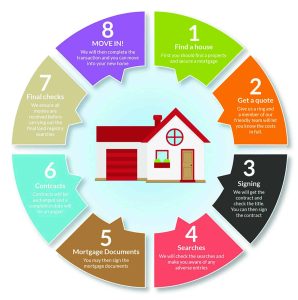
Step 2: Contract Exchange
Contract exchange is the stage where the legal agreement becomes binding.
1. Signing the Contract
Both buyer and seller sign the contract of sale. Deposits are paid as per the contract terms, typically held in a trust account until settlement.
2. Satisfying Conditions
Ensure all conditions in the contract, such as finance approval or building inspections, are met before proceeding. Unsatisfied conditions can delay settlement or nullify the contract.
3. Lodging Notices and Documents
Your conveyancer may lodge important documents with the Land Titles Office to protect your interests, such as caveats or notices. This step ensures legal recognition of claims on the property if required.
Step 3: Pre-Settlement Stage
The pre-settlement stage involves preparing for the official transfer of property ownership.
1. Property Searches
Your conveyancer conducts final searches to check for:
Existing caveats or encumbrances
Outstanding rates or taxes
Easements or zoning restrictions
This step ensures the property is free of hidden legal issues before settlement.
2. Financial Arrangements
Confirm that all financial obligations are in order, including:
Final loan approval and deposit payments
Stamp duty calculation and payment
Legal and conveyancing fees
Proper financial preparation prevents last-minute settlement delays.
3. Final Inspection
Conduct a final inspection to ensure the property is in the agreed condition. Verify that all inclusions, such as fixtures and fittings, are present.
Step 4: Settlement
Settlement is the official stage where ownership transfers from the seller to the buyer.
1. Exchange of Funds
The balance of the purchase price is paid, typically via the conveyancer’s trust account. All outstanding debts, including rates and taxes, are cleared.
2. Transfer of Title
Legal documents, including the transfer of title, are lodged with the Land Titles Office. This registers the buyer as the new legal owner.
3. Handover of Keys
Once settlement is complete, the buyer receives keys and possession of the property. This finalizes the transaction and concludes the conveyancing process.
Step 5: Post-Settlement Activities
Even after settlement, there are several follow-up tasks:
1. Notification to Authorities
Notify local councils and utility providers of the change in ownership to ensure rates, utilities, and other charges are correctly assigned.
2. Record Keeping
Keep copies of all settlement documents, contracts, and property searches. These records may be necessary for future legal or financial matters.
3. Mortgage Registration
If a mortgage is involved, ensure the lender registers the mortgage on the property title. This protects both parties’ financial interests.
Tips for Smooth Property Conveyancing
Engage a Licensed Conveyancer or Lawyer – Professional guidance reduces the risk of errors.
Stay Organized – Track deadlines, contracts, and payments throughout the process.
Communicate Effectively – Keep all parties informed, including agents, lenders, and lawyers.
Budget for All Costs – Include stamp duty, legal fees, inspections, and unexpected expenses.
Act Promptly on Issues – Address caveats, disputes, or contract conditions immediately.
Common Conveyancing Mistakes to Avoid
Skipping Property Searches – Can lead to legal disputes or hidden liabilities.
Ignoring Contract Conditions – May result in delays or contract breaches.
Delaying Legal Advice – Late engagement of professionals can complicate settlement.
Underestimating Costs – Unexpected fees can delay completion or cause financial strain.
By avoiding these mistakes, property transactions are more likely to proceed smoothly and without dispute.
Conclusion
The step-by-step process of property conveyancing in Australia ensures that property ownership transfers legally, securely, and efficiently. From pre-contract inspections and finance preparation to settlement and post-settlement activities, each stage requires careful attention to detail.
Engaging a licensed conveyancer or property lawyer, staying organized, and addressing issues such as caveats or contract conditions promptly can prevent delays, legal disputes, and financial risks. Understanding the process empowers buyers and sellers to navigate property transactions confidently and successfully.