
Conveyancers in Property Sales: Everything Sellers and Buyers Need to Know
Conveyancers play a vital role in property sales, ensuring that the legal transfer of ownership is handled correctly, efficiently, and in compliance with property law. Whether you are selling or buying real estate, understanding how conveyancers work can help you avoid costly mistakes and ensure a smooth transaction from start to finish.
In this guide, we’ll explore the role of conveyancers in property sales, what they do, why they matter, and how they help protect both buyers and sellers throughout the process.
What Are Conveyancers in Property Sales?
A conveyancer is a licensed professional who specialises in the legal process of transferring property ownership from one party to another. In property sales, they manage all legal documentation, contracts, searches, and settlement procedures.
Their role ensures that the property transaction is legally valid and that both parties meet their obligations under property law.
The Legal Function of Conveyancers
Conveyancers ensure that the transfer of property ownership is legally binding and properly recorded. They prepare and review legal documents such as contracts of sale, vendor statements, and transfer forms.
They also ensure compliance with local and state property regulations, which can vary depending on the jurisdiction.
Why Conveyancers Are Important in Property Sales
Property transactions involve significant financial and legal risks. Without a conveyancer, buyers and sellers may overlook critical legal requirements that could lead to disputes or financial loss.
Reducing Legal Risks in Property Transactions
One of the primary roles of conveyancers is to reduce legal risk. They ensure that all documents are accurate, complete, and legally compliant. This helps prevent disputes over ownership, contract terms, or property boundaries.
Ensuring a Smooth Transfer of Ownership
Conveyancers coordinate the entire transfer process, ensuring that all parties meet deadlines and obligations. This includes communication with banks, real estate agents, and the opposing party’s legal representative.
What Conveyancers Do in Property Sales
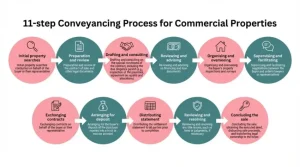
The responsibilities of conveyancers extend across every stage of a property sale. Their work begins before the property is listed and continues until settlement is complete.
1. Preparing the Contract of Sale
The contract of sale is one of the most important documents in any property transaction. Conveyancers prepare this document to include key details such as price, settlement date, inclusions, and special conditions.
They ensure the contract is legally sound and protects the seller’s interests while complying with legal requirements.
2. Conducting Property Searches
Conveyancers perform essential searches on the property title, council records, zoning restrictions, and outstanding rates or taxes.
These searches ensure that there are no hidden legal issues that could affect the sale or ownership transfer.
3. Reviewing Legal Documents
All legal documents associated with the sale are reviewed by the conveyancer to ensure accuracy and compliance. This includes vendor disclosures, mortgage documents, and transfer paperwork.
How Conveyancers Support Sellers in Property Sales
For sellers, conveyancers play a key role in ensuring the sale proceeds smoothly and without legal complications.
Managing Contract Negotiations
When buyers request changes to the contract, conveyancers handle negotiations on behalf of the seller. They ensure that any amendments are fair and legally valid.
Ensuring Disclosure Requirements Are Met
Sellers are legally required to disclose certain information about the property. Conveyancers ensure that all disclosure obligations are met to avoid legal disputes after the sale.
Coordinating Settlement
On settlement day, conveyancers coordinate with all parties involved, including banks and real estate agents, to ensure funds are transferred and ownership is officially changed.
How Conveyancers Assist Buyers in Property Sales
Conveyancers are equally important for buyers, ensuring that their rights are protected throughout the purchase process.
Reviewing the Contract Before Signing
Before a buyer signs a contract, the conveyancer reviews it to ensure there are no unfair clauses or hidden risks.
Identifying Property Issues
Through property searches and due diligence, conveyancers help buyers identify issues such as unpaid rates, zoning restrictions, or legal disputes tied to the property.
Ensuring Clear Title Transfer
Conveyancers ensure that the buyer receives a clear and legally valid title to the property upon completion of the sale.
The Property Sales Process with a Conveyancer
Understanding the step-by-step process helps buyers and sellers know what to expect when working with conveyancers.
Step 1: Initial Instructions
The conveyancer is engaged early in the process and provided with all necessary property details.
Step 2: Contract Preparation and Review
Contracts are drafted or reviewed to ensure legal accuracy and fairness.
Step 3: Legal Searches and Due Diligence
Property searches are conducted to identify any legal or financial issues.
Step 4: Exchange of Contracts
Once both parties agree, contracts are signed and legally exchanged.
Step 5: Pre-Settlement Preparation
All financial and legal arrangements are finalised before settlement.
Step 6: Settlement Completion
Ownership is officially transferred, and funds are distributed accordingly.
Benefits of Using Conveyancers in Property Sales
Working with a conveyancer offers several important benefits for both buyers and sellers.
Legal Protection and Peace of Mind
Conveyancers ensure that every aspect of the transaction complies with the law, reducing the risk of legal disputes.
Time and Stress Reduction
By handling paperwork and coordination, conveyancers reduce the administrative burden on clients.
Faster Property Transactions
Experienced conveyancers help speed up the process by ensuring all documentation is prepared correctly and submitted on time.
Financial Security
Conveyancers help prevent costly mistakes that could arise from incorrect contracts or missed legal obligations.
Choosing the Right Conveyancer for Property Sales
Selecting the right conveyancer is essential for a smooth property transaction.
Look for Licensed Professionals
Always choose a qualified and licensed conveyancer with experience in property law.
Check Experience in Local Property Markets
Local knowledge is important, as property laws and processes vary between regions.
Compare Fees and Services
Different conveyancers offer different pricing structures and service levels, so it’s important to compare options.
Communication and Responsiveness
A good conveyancer should be easy to contact and provide clear updates throughout the process.
Conclusion: The Role of Conveyancers in Property Sales
Conveyancers are an essential part of the property sales process, ensuring that legal requirements are met, risks are reduced, and transactions are completed smoothly. From preparing contracts to managing settlement, they provide expert guidance at every stage of the sale.
Whether you are buying or selling property, working with a conveyancer helps protect your interests and ensures a legally secure and stress-free experience.